So, you're eyeing the road, maybe hearing the purr of your engine, and wondering if there's more. Much, much more. For many car enthusiasts, the journey of Modification, Tuning & Aftermarket Upgrades isn't just about speed or flash; it's about a deeply personal connection, an expression of identity, and the relentless pursuit of automotive perfection. Factory vehicles are designed for the masses – a balanced, if somewhat generic, experience. But what if you crave something tailored, something that truly responds to your driving style, or simply looks exactly how you envisioned it?
This guide will walk you through the exhilarating world of upgrading your ride, transforming it from a mere mode of transport into a machine that sings your song. We'll explore how to elevate everything from agility and control to raw speed and an unforgettable exhaust note, all while navigating the practicalities and potential pitfalls.
At a Glance: Your Modification Journey Ahead
- Why Upgrade? Move beyond factory settings for enhanced performance, aesthetics, and a personalized driving feel.
- Engine Power-Ups: Explore forced induction (turbos/superchargers) and improved air/exhaust flow for significant horsepower gains.
- Handle Like a Pro: Upgrade suspension components to manage power, improve cornering, and enhance your car's stance.
- Stop on a Dime: Don't forget braking – it's as crucial as acceleration. Learn about pads, rotors, calipers, and big brake kits.
- Smart Tuning: Unlock hidden power and optimize your engine's response with ECU modifications, but be aware of the risks.
- Real-World Tradeoffs: Be prepared for potential impacts on ride comfort, fuel economy, warranty, and compliance with local regulations.
- Plan Your Build: Start with a clear goal, research thoroughly, and consider your budget for a satisfying outcome.
Beyond the Factory Line: Why Upgrade Your Ride?
Every car leaving the factory is a masterful compromise. Engineers aim for a "Goldilocks zone" – not too stiff, not too soft, quiet enough for daily commutes, and efficient enough for a broad market. This means your vehicle holds untapped potential, constrained by mass-market appeal and regulatory requirements.
Performance modifications, however, allow you to step outside that box. You can elevate your driving experience far beyond its stock capabilities, sharpening agility, tightening control, boosting speed, and even refining the vehicle's acoustic signature. Imagine a car that grips corners with unwavering confidence, accelerates with exhilarating immediacy, and stops with resolute authority. That's the promise of a well-executed build.
The Double-Edged Sword: Benefits vs. Tradeoffs
While the allure of improved horsepower, road grip, and stopping power is strong, it's vital to approach modifications with open eyes. Every upgrade introduces a new dynamic, and sometimes, a compromise.
On the Upside, You'll Gain:
- Enhanced Performance: More horsepower, torque, and a quicker 0-60 time.
- Superior Handling: Better road grip, reduced body roll, and sharper steering response.
- Improved Braking: Shorter stopping distances and better fade resistance.
- Personalization: A vehicle that looks, sounds, and feels uniquely yours.
- Increased Driver Engagement: A more direct, responsive connection to the road.
But Be Mindful of These Potential Downsides: - Reduced Ride Comfort: Stiffer suspension often means feeling more of the road.
- Increased Fuel Consumption: More power often demands more fuel, especially with aggressive driving.
- Smog Check Hurdles: Some modifications, particularly to the exhaust or ECU, can make passing emissions tests challenging or impossible. Always check local modification restrictions before you start.
- Warranty Voidance: Aftermarket parts or ECU tunes can, in many cases, void portions of your manufacturer's warranty. It's crucial to understand what this means for your specific vehicle and warranty agreement.
- Regulatory Fines: Certain modifications might not be street-legal in your area, potentially leading to tickets or costly removal of parts.
Understanding these factors is the first step in building a thoughtful and rewarding modification plan. For example, if you're looking to modify a specific platform like the Accord 7th Generation Hub, you'll find a community of owners grappling with similar considerations, offering invaluable insights into common successes and pitfalls.
Unleashing the Beast: Engine Enhancements
The heart of any performance vehicle lies beneath the hood. Engine modifications are often the first stop for those seeking a significant boost in power and an unforgettable driving experience.
Breathing Easy: Forced Air Induction
Want serious power? Look no further than forced air induction. This involves compressing more air into your engine's combustion chambers, allowing for a proportionally larger bang. The two main players here are turbochargers and superchargers.
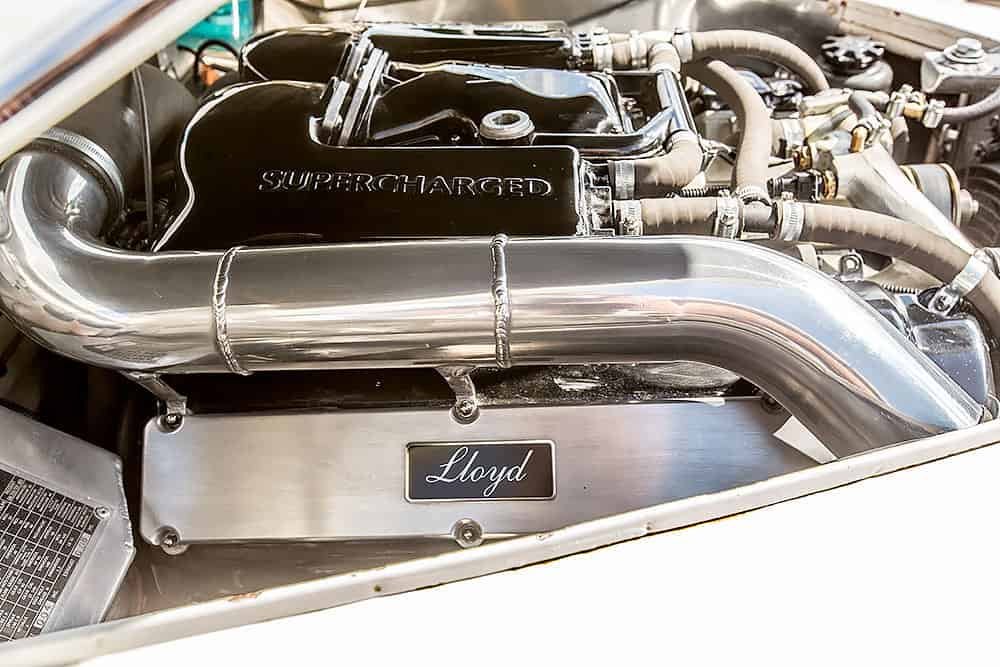
- Superchargers: These mechanical compressors are typically belt-driven directly by the engine, offering instant power delivery from the moment you hit the throttle. They provide a linear power increase, making them feel very natural to drive. However, they can consume a small amount of engine power to operate (parasitic drag) and might not offer the peak efficiency of turbos.
- Turbochargers: Turbos, on the other hand, harness exhaust gases to spin a turbine, which in turn drives a compressor. This design offers greater efficiency and the potential for very significant power increases, especially at higher RPMs. The trade-off is often a slight delay, known as "turbo lag," before the turbo "spools up" and full boost is delivered. Modern turbos and sophisticated engine management systems have greatly minimized this effect.
The choice between a turbocharger and a supercharger often comes down to your driving style, the specific characteristics of your engine, kit availability, and of course, your budget. Consider what kind of power delivery you prefer – immediate response or a surging wave of power at higher revs. Delving deeper into choosing the right turbocharger for your build involves understanding aspects like A/R ratios and compressor maps to match the turbo to your engine's characteristics.
The Lungs and Throat: Improving Air & Exhaust Flow
Before diving into forced induction, optimizing your engine's ability to "breathe" is fundamental. Enhancing both air intake and exhaust flow are often the easiest and most effective bolt-on modifications for noticeable performance gains.
Bringing Air In: Air Intake Systems
Your engine needs a constant supply of cool, dense air to make power. Factory air cleaner housings are designed for quiet operation and cost-effectiveness, not maximum flow. Aftermarket intake systems drastically improve airflow.
- Cold Air Intakes (CAI): These systems relocate the air filter further away from the engine bay, typically into a fender well or behind the bumper, to draw in cooler, denser ambient air. Cooler air contains more oxygen, leading to more power. They generally provide the best performance gains but can be more susceptible to hydro-locking if driven through deep water.
- Short Ram Intakes (SRI): SRIs place the air filter within the engine bay, offering a shorter, less restrictive path for air. While they might draw in warmer air than a CAI, they still provide a significant improvement over stock and often produce a more pronounced intake sound.
- High-Flow Reusable Air Filters: For a more budget-conscious alternative, simply upgrading your stock paper filter to a high-flow, reusable filter (like those from K&N or aFe) can offer a noticeable improvement in airflow without altering the entire intake system. This is an excellent first step. Understanding the benefits of a cold air intake goes beyond just sound; it's about optimizing combustion.
Getting Air Out: Exhaust Systems
Just as crucial as getting air in is efficiently getting exhaust gases out. Factory exhaust systems are often restrictive, designed to minimize noise and meet emissions standards. Aftermarket exhaust systems remove these restrictions, allowing the engine to "exhale" more freely, which in turn increases power and often delivers a more aggressive, desirable exhaust note.
Exhaust upgrade options vary in scope and impact:
- Full Exhaust System: Replaces everything from the exhaust manifold back, offering the greatest performance gains and often including performance headers (which replace the restrictive factory exhaust manifold).
- Cat-Back Exhaust: Replaces the exhaust system from the catalytic converter(s) back to the tailpipe. This is a very popular upgrade, offering good performance gains and a significant change in exhaust note without altering critical emissions components.
- Axle-Back Exhaust: Replaces only the muffler and tailpipe sections. It's primarily an aesthetic and auditory upgrade, offering a minor performance boost.
- Performance Muffler: A direct replacement for the stock muffler, designed for better flow and sound.
The right exhaust choice depends on your desired sound level, performance goals, and local noise/emissions regulations.
Taming the Power: Suspension and Handling Upgrades
With more power comes the need for more control. Suspension and handling upgrades are not just for the race track; they're essential for managing increased horsepower and torque, improving safety, and even for aesthetic reasons like achieving that perfect stance. A car that handles well is more enjoyable and confidence-inspiring to drive, whether you're tackling twisty roads or navigating city streets.
- Upgrading Struts and Shocks: These components are the core of your car's dampening system, controlling spring oscillations and maintaining tire contact with the road. For high-performance vehicles or those with stiffer springs, upgrading to performance-oriented struts and shocks with better dampening characteristics is critical. They help maintain composure over bumps and during aggressive maneuvers.
- Coilovers and Lowering Kits: One of the most popular modifications, coilovers (coil spring over shock absorber) and lowering kits (shorter, stiffer springs) reduce the car's center of gravity. This translates directly to improved cornering stability, enhanced traction during acceleration, and a more aggressive, visually appealing stance. Coilovers offer adjustable ride height and dampening, providing unparalleled tuning flexibility for different driving conditions. However, be prepared for a firmer ride.
- Sway Bars (Anti-Roll Bars): These bars connect opposite wheels (front or rear) and help distribute lateral loads during cornering. By effectively linking the suspension on both sides, sway bars reduce body roll, keeping the car flatter through turns and enhancing tire grip. Upgraded sway bars, often thicker or made from stiffer materials, can dramatically improve a vehicle's cornering prowess.
- Strut Braces (Strut Tower Bars): A strut brace connects the top of the strut towers, usually in the front (but sometimes rear). This stiffens the chassis, reducing flex, particularly noticeable on front-wheel-drive cars during hard acceleration and braking. The result is improved steering response and a more direct feel through the corners. It's a relatively inexpensive mod that provides tangible benefits, especially for spirited driving.
Achieving the right balance for your daily driving needs while still improving performance is key when considering finding the right suspension balance for daily driving.
Mastering the Stop: Brake System Improvements
It's a universal truth in performance driving: the ability to stop quickly and safely is just as, if not more, crucial than the ability to accelerate. As you increase horsepower and improve handling, your braking system must keep pace. Neglecting your brakes is a common and dangerous oversight.
- Replacement Brake Pads and Rotors: This is often the first and most accessible brake upgrade.
- Performance Brake Pads: Aggressive ceramic or semi-metallic pads are designed to withstand higher temperatures, reducing brake fade (the loss of braking power under heavy use). They offer better initial bite and consistent performance but might produce more brake dust and noise than OEM pads.
- Slotted or Drilled Rotors: These rotors are designed to dissipate heat more effectively and vent brake dust and gases that can build up between the pad and rotor surface. Slotted rotors excel at gas and dust evacuation, while drilled rotors provide improved cooling, though they can be more prone to cracking under extreme conditions. Many performance rotors are both slotted and drilled. Learning about understanding and preventing brake fade is crucial for maintaining control.
- Upgraded Calipers: Performance calipers often feature multiple pistons (e.g., 4-piston, 6-piston) compared to the single or dual-piston calipers found on most stock vehicles. More pistons provide more even pressure across the brake pad, resulting in improved braking response, better modulation, and increased clamping force. They are typically made from lighter materials as well.
- Big Brake Kits (BBKs): For serious enthusiasts pushing their vehicles to the limit, Big Brake Kits are the ultimate upgrade. These comprehensive kits replace calipers, rotors, and pads with significantly larger, higher-performance components. They offer unparalleled stopping power, heat management, and fade resistance but are also the costliest brake system option. BBKs often require larger wheels to clear the oversized calipers and rotors.
When it comes to brakes, remember that it's a system. Upgrading one component without considering the others can lead to imbalance. For instance, high-performance pads on stock rotors might overheat the rotors, or powerful calipers on soft pads won't deliver their full potential.
The Brain of the Machine: Tuning and ECU Modifications
Your car's engine control unit (ECU) is its brain, dictating how the engine runs by managing everything from fuel injection timing and duration to ignition timing, boost pressure, and throttle response. Factory ECU tuning is inherently conservative, designed for reliability, emissions compliance, and compatibility with a wide range of fuel qualities and driving conditions.
Aftermarket ECU tuning, also known as reflashing or custom mapping, offers granular control over these parameters. By optimizing the air-fuel mixture, ignition timing, and other settings for specific modifications (like a new intake, exhaust, or turbocharger), tuners can unlock significant power increases that the factory programming leaves on the table.
- Custom Tunes/Mapping: This involves physically reprogramming the ECU with new maps tailored to your specific vehicle and its modifications. A skilled tuner can extract maximum safe power while considering your engine's health.
- Power Programmers/Flash Devices: These handheld devices allow you to upload pre-made "tunes" (maps) to your ECU. Many offer multiple settings (e.g., "economy," "tow," "performance") and allow for monitoring of engine parameters. While convenient, these generic tunes may not be perfectly optimized for your specific car's nuances.
- Piggyback ECUs: These devices "intercept" and modify signals between the factory ECU and the engine's sensors, effectively tricking the factory ECU into making desired changes. They are often easier to install and remove than full reflashes and can be a good option for those concerned about warranty.
The Risks of Tuning: While quick and efficient, ECU tuning carries significant risks: - Engine Damage: An improperly tuned engine can run too lean (not enough fuel), too rich (too much fuel), or have incorrect ignition timing, leading to pre-ignition, detonation, and catastrophic engine failure. This is why professional tuning by experienced specialists is paramount.
- Warranty Voidance: Most manufacturers consider aftermarket ECU tunes to be a modification that can void aspects of your car’s warranty, particularly those related to the powertrain. Dealerships can often detect a flashed ECU even if it's returned to stock.
- Emissions Compliance: Aggressive tunes can alter emissions outputs, potentially causing your vehicle to fail smog checks.
Before you consider any ECU modification, it’s critical to weigh the potential power gains against the risks. This is especially true when delving into the risks involved in ECU tuning – understanding the worst-case scenarios helps you make informed decisions.
Smart Planning for Your Dream Build
Embarking on the journey of modification can be incredibly rewarding, but it requires careful planning and a realistic outlook. Don't just chase horsepower numbers; consider how each modification contributes to your overall driving goals.
- Define Your Goal: What kind of driver are you? Daily commuter seeking a bit more pep? Weekend warrior hitting track days? Show car enthusiast? Your goal dictates your priorities.
- Research, Research, Research: Dive into forums, talk to reputable shops, and read reviews. Understand what works (and what doesn't) for your specific make and model.
- Set a Budget: Modifications can add up quickly. Be realistic about what you can afford, and always leave a contingency fund for unexpected issues or professional installation.
- Consider the "System" Approach: Many modifications work best in conjunction with others. For example, boosting horsepower without upgrading brakes or suspension is a recipe for trouble.
- Start Small, Build Up: You don't have to do everything at once. Begin with foundational modifications like intake/exhaust, then move to suspension, and finally, engine internals or forced induction as your budget and skill grow.
- Professional Installation & Tuning: Unless you are an experienced mechanic, crucial performance components and ECU tuning are best left to professionals. A reputable shop has the tools, expertise, and diagnostic equipment to ensure the job is done right and safely.
- Know Your Local Laws: Emissions regulations, noise ordinances, and modification laws vary significantly by region. Ensure your planned upgrades comply to avoid fines or legal issues.
- Understand Your Warranty: Be fully aware of how modifications might impact your vehicle's warranty. This is a critical factor for newer vehicles.
Ultimately, modifying your vehicle is about enhancing your connection to the road and making your driving experience truly your own. With careful planning, thorough research, and a clear understanding of the benefits and tradeoffs, you can unlock your vehicle's true potential and enjoy a ride that is uniquely, exhilaratingly yours. Drive safe, and enjoy the journey!