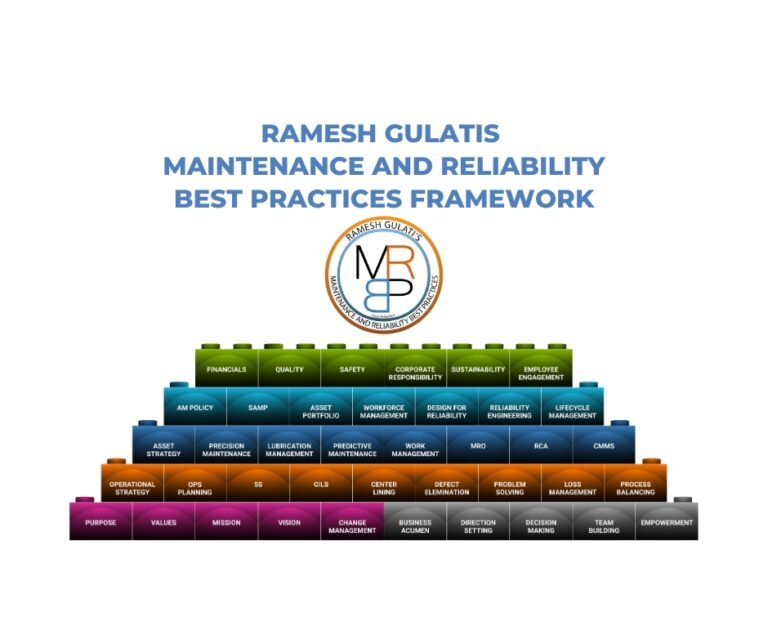
In the relentless hum of modern industry—from bustling warehouses and precision manufacturing plants to critical healthcare facilities and expansive agricultural operations—equipment isn't just a tool; it's the heartbeat of productivity. When that heartbeat falters, the ripple effect can be devastating: lost output, spiraling costs, and compromised reliability. This Maintenance, Common Issues & Reliability Guide delves into the core challenges and proven strategies for keeping your operations running smoothly, ensuring optimal performance, and extending the lifespan of your vital assets.
At a Glance: Your Roadmap to Reliability
- People Power: Learn how to find, train, and retain the skilled maintenance workforce essential for your success.
- Smart Asset Management: Discover strategies for tracking, managing, and optimizing the entire lifecycle of your diverse equipment.
- Proactive Prevention: Master the art of preventive maintenance to predict issues, minimize downtime, and extend equipment life.
- Inventory Intelligence: Tackle the complexities of spare parts management to avoid costly delays.
- Data-Driven Decisions: Leverage accurate record-keeping and technology like CMMS for insightful analysis and continuous improvement.
- Safety First: Prioritize robust safety protocols and training to protect both your people and your equipment.
The Human Element: Building and Keeping Your Maintenance Dream Team
No matter how advanced your machinery, the human touch remains indispensable. The skilled professionals who diagnose, repair, and optimize your equipment are your first line of defense against downtime. Yet, finding and keeping them is a growing challenge.
Finding Qualified Maintenance Workers in a Tight Market
Across industries, the search for qualified maintenance workers is increasingly difficult. You're up against a confluence of factors: an aging workforce, fewer young people pursuing vocational trades, intense competition, and the constant demand for specialized skills and certifications. The perception of maintenance as a "blue-collar" career often deters new talent, compounding the shortage.
Strategies to Recruit Top Maintenance Talent:
- Cultivate from Within: Reducing employee turnover is your best recruiting tool. Happy, well-supported employees are less likely to leave, easing the constant hiring pressure.
- Invest in Growth: Offer robust training programs, skill-up opportunities, and clear career paths. Showcase how a maintenance role can evolve and lead to expert specialization.
- Competitive Compensation: Review wages and benefits regularly. Consider sign-on bonuses, relocation packages for specialized roles, and attractive retirement plans. Don't underestimate the power of a fair wage.
- Flexible Work Models: Explore flexible shifts, compressed workweeks, or other arrangements that enhance work-life balance. Modern workers value this deeply.
- Widen Your Net: Actively recruit from diverse talent pools, including women and veterans, who often possess valuable skills and discipline.
- Strategic Partnerships: Forge strong relationships with industry associations, vocational schools, and community colleges. Support apprenticeships, offer scholarships, or host internship programs to build a pipeline of future technicians.
- Targeted Outreach: Launch marketing campaigns that highlight the exciting, high-tech nature of modern maintenance roles, appealing to younger generations who might not be considering these careers.
- Tech Integration: Investing in technology that automates routine tasks or provides predictive analytics can sometimes reduce the sheer volume of manual maintenance, easing staffing needs in the long run.
Retaining Your Skilled Workforce: The Core of Stability
Finding talent is only half the battle; keeping them is equally, if not more, critical. High turnover is a costly drain on resources, impacting productivity, profitability, and morale. Each departure means expenses for new hiring, training, and onboarding, creating a negative ripple effect throughout your team.
Common factors driving maintenance worker turnover include: better external opportunities, career changes, burnout from overwork, negative work environments, lack of incentives, unclear goals, poor work-life balance, and inadequate compensation or benefits.
Strategies to Retrive and Empower Your Maintenance Team:
- Listen Actively: Conduct stay interviews and regular check-ins to understand what your workers need. Are they seeking better pay, more flexible hours, advanced training, or different reward systems? Address these needs proactively.
- Fair Compensation & Recognition: Ensure pay and benefits are not just competitive, but reflect the specialized skills and critical role your maintenance team plays. Implement performance bonuses, offer increased vacation time, and provide public recognition for outstanding work. Celebrate milestones and achievements.
- Comprehensive Benefits: Beyond salary, offer robust health insurance, retirement plans, and other benefits that demonstrate your investment in their well-being.
- Continuous Development: Provide ongoing training and opportunities for career advancement. Empower your technicians to become experts in new technologies and equipment, ensuring their skills remain sharp and relevant.
- Open Communication & Support: Foster an environment where employees feel comfortable raising concerns about workplace issues, from harassment to unsafe conditions. Address these issues promptly and transparently.
- Equip for Success: Provide up-to-date tools, diagnostic equipment, and technology. There's nothing more frustrating for a skilled technician than being asked to do a complex job with inadequate tools.
- Positive Work Culture: Cultivate a culture that values teamwork, collaboration, respect, and work-life balance. When people feel valued and supported, they're more likely to stay.
- Strategic Hiring: Invest time in careful hiring, ensuring new candidates are not only skilled but also a good fit for your team's culture and values.
Mastering Your Assets: Equipment & Lifecycle Management
Your equipment represents a significant investment, and its optimal performance is directly tied to how effectively you manage it throughout its entire life.
Managing a Diverse Fleet: From Forklifts to Production Lines
Most maintenance teams grapple with a heterogeneous mix of equipment. Think forklifts, conveyor belts, scissor lifts, complex production machinery – often from multiple manufacturers and models. This diversity creates a labyrinth of varied maintenance requirements, unique scheduling challenges, and a constant demand for broad technical knowledge across your team.
Strategies for Orchestrating Diverse Equipment Maintenance:
- Robust Maintenance Planning: Start with a comprehensive, well-documented maintenance plan tailored to each piece of equipment.
- CMMS: Your Central Command: Invest in a Computerized Maintenance Management System (CMMS) or similar equipment tracking software. This isn't just a database; it's a powerful tool to monitor usage, track maintenance schedules, analyze performance data, and optimize your entire operation.
- Prioritize Preventive Maintenance (PM): Implement rigorous preventive maintenance schedules, including regular inspections, cleaning, lubrication, and timely part replacements. PM is your best defense against unexpected failures.
- Operator Training: Train all employees on the safe and effective use of the equipment they operate. This not only reduces accidents but also extends equipment lifespan by preventing misuse.
- Safety First, Always: Emphasize and enforce clear safety protocols for all equipment operation and maintenance tasks.
- Strategic Review: Regularly review your equipment needs. Is a piece of machinery approaching the end of its useful or economic life? Identifying upgrade or replacement requirements prevents costly emergency downtime and reduces long-term operational expenses.
Asset Lifecycle Management: Maximizing Value Over Time
Effective asset management isn't just about fixing things; it's about understanding and strategically managing the entire lifespan of your equipment. This means distinguishing between an asset's useful life (how long it can operate) and its economic life (when it returns more value than its ownership, operation, and maintenance costs). Operating an asset beyond its economic life, even if it's still technically "useful," can lead to disproportionately high maintenance costs, eroding profitability.
Strategies for Intelligent Asset Lifecycle Management:
- Lifespan Monitoring: Track both the useful and economic life of each asset. This data is crucial for informed decisions about repair, maintenance, and eventual replacement.
- Regular Asset Audits: Conduct periodic audits to assess the physical condition and actual usage patterns of your assets. Are they being utilized as expected? Are there signs of premature wear?
- Proactive PM Programs: Implement comprehensive preventive maintenance programs – including inspections, cleaning, lubrication, and component replacement – to extend the useful and economic life of your assets and minimize unexpected downtime.
- CMMS for Insights: Leverage CMMS software to provide real-time insights into asset location, usage, performance metrics, and depreciation. This data enables you to optimize asset deployment and maintenance schedules.
- Operator Stewardship: Train employees on the safe and effective use of assets, fostering a sense of ownership and responsibility.
- Meticulous Record-Keeping: Maintain detailed, accurate records for every asset, including manufacture date, hours of operation, maintenance history, and repair costs. This historical data is vital for calculating total cost of ownership, tracking performance, and making informed decisions about future investments. Just as you'd track the detailed history of a classic vehicle like The 7th Generation Accord to gauge its true value and remaining life, similar principles apply to your industrial assets.
The Power of Prevention: Your Preventive Maintenance Plan
Preventive maintenance (PM) is your proactive shield against equipment failure. It involves scheduled adjustments, lubrication, cleaning, minor repairs, and part replacements to reduce downtime, avoid unexpected breakdowns, boost productivity, and extend both the economic life and resale value of your equipment. While reactive maintenance (fixing things only when they break) might seem simpler, it inevitably leads to higher long-term costs due unplanned downtime, emergency repairs, and secondary damage.
Common PM Challenges:
- Conflicting Information: Manufacturer recommendations might not align with your actual equipment usage or operating environment.
- Scheduling Hurdles: Finding windows for PM during high utilization periods can be tough.
- Operational Demands: The pressure to keep equipment running can override scheduled maintenance.
- Diverse Intervals: Managing varied maintenance intervals for a range of equipment types is complex.
- Spare Parts Availability: Lack of immediate access to necessary spare parts can delay PM.
- Harsh Environments: Demanding operating conditions can accelerate wear and tear, making PM even more critical yet harder to schedule.
- Data Blind Spots: A lack of visibility into asset health data makes it difficult to predict optimal PM timing.
Strategies for a Seamless Preventive Maintenance Program: - Follow Guidelines, Then Optimize: Start with manufacturer procedures for regular inspections, but then customize and adjust based on your specific operational data and technician insights.
- Strategic Asset Retirement: Don't hesitate to retire assets that have passed their economic value, even if they're still "working." The cost of keeping them running can quickly outweigh their utility.
- Qualified Technicians: Ensure your PM is performed by skilled and qualified maintenance technicians who understand the nuances of each machine.
- Mindful Operation: Avoid overworking equipment or using it in environments beyond its design limits. Educate operators on proper handling and usage.
- Embrace Technology (CMMS): Invest in advanced technology, particularly CMMS software. This can automate PM processes, monitor performance, schedule tasks, track usage, generate reports, and send alerts, transforming your PM from a chore into a highly efficient system.
- Continuous Review & Adjustment: Your PM program isn't static. Regularly review and adjust it as equipment ages, operating environments change, or new data emerges.
- Educate & Empower: Educate all employees on the importance of PM and their role in identifying potential issues early.
- Data Analysis for Improvement: Continuously monitor and analyze maintenance data to identify trends, recurring issues, and areas where your PM program can be improved.
Maximizing Equipment Uptime & Reducing Downtime
Downtime, especially unplanned downtime, is a silent killer of productivity and profit. It leads to missed deadlines, lost output, and decreased profitability. Delaying preventive maintenance or necessary repairs is a gamble that almost always results in equipment failure and production slowdowns. Imagine a forklift breaking down during peak hours – production capacity plummets, and continuing to use equipment with known issues is a ticking time bomb. Swift restoration of operations is paramount.
Strategies for Keeping Equipment Running and Profits Flowing:
- Predictive Power: Implement predictive maintenance (PdM) alongside planned preventive maintenance. Using data analysis and machine learning tools, PdM can anticipate equipment failures before they happen, transforming unplanned downtime into scheduled, manageable events.
- Outsource for Expertise: Consider outsourcing maintenance services for specialized equipment or during peak periods. This provides access to expert knowledge and resources without the overhead of in-house staff.
- Backup & Contingency: Rent or lease backup equipment for critical operations. This provides a crucial contingency plan for both planned maintenance and unexpected breakdowns.
- Skilled & Knowledgeable Team: Maintain a well-trained and knowledgeable team capable of performing quick diagnostics and repairs.
- Reliability in Purchasing: Prioritize equipment reliability in your purchasing decisions. A slightly higher upfront cost for more dependable machinery often pays dividends in reduced downtime.
- Clear Communication Channels: Establish clear communication channels and protocols for reporting and addressing equipment issues promptly. The faster a problem is reported, the faster it can be resolved.
Operational Excellence: Parts, Records, and Protection
Beyond the machinery itself, the systems and practices supporting your maintenance efforts are critical for seamless operation.
Spare Parts Inventory Management: The Right Part, Right Time
Picture this: a critical machine is down, but you don't have the spare part needed for repair. Every minute counts, leading to costly downtime, lost productivity, and revenue. Managing spare parts inventory is a delicate balancing act – you need enough parts to operate efficiently, but not so many that inventory costs skyrocket. This complexity is amplified when dealing with multiple equipment types, brands, and models.
Strategies for Smart Spare Parts Inventory Management:
- Standardized System: Implement a standardized inventory system with clear categorization. Define minimum and maximum stock levels for each part based on usage and lead times.
- Just-In-Time (JIT) Principles: Where feasible, adopt a just-in-time (JIT) inventory system. This reduces excess stock, minimizes storage needs, and frees up capital.
- Strategic Vendor Relationships: Cultivate strong relationships with vendors. If possible, consolidate purchasing with a single vendor who can supply parts for multiple brands, including both OEM and aftermarket options.
- Accurate Usage Records: Keep meticulous records of equipment maintenance history and parts usage. This data is invaluable for predicting future needs and optimizing stock levels.
- PM-Driven Procurement: Use your preventive maintenance schedule to anticipate part replacements. Source these parts in advance, avoiding last-minute scrambles and potential delays.
- Outsource Sourcing: For complex or niche parts, consider outsourcing parts sourcing to reliable service providers who specialize in procurement and logistics.
- Regular Audits: Conduct regular inventory audits to identify and dispose of obsolete or surplus parts. This prevents wasted space and capital.
- Dynamic Strategy: Periodically review and update your inventory strategies based on changing usage patterns, equipment upgrades, and vendor performance.
Maintaining Accurate Records: The Foundation of Insight
Poor record-keeping and lack of documentation are insidious problems. They hinder your ability to track equipment, obscure critical information like economic vs. useful life, and make parts forecasting a guessing game. The result? Excessive unplanned downtime and costly, inefficient maintenance.
Without accurate documentation, past solutions are lost when technicians leave, forcing new teams to re-solve old problems. It's impossible to identify areas for improvement in your maintenance programs, spot recurring equipment failures, or establish patterns that could save significant resources. Accurate, up-to-date records are the bedrock of equipment longevity and reduced maintenance costs.
Strategies for Impeccable Record-Keeping:
- Equipment Maintenance Logs: Implement a comprehensive equipment maintenance log. Document every activity: date, technician, service performed, detailed description of issues and resolutions. This log helps identify and address potential problems proactively.
- CMMS as Your Digital Archive: Utilize CMMS software as your centralized digital database for all maintenance records. This includes work orders, schedules, parts inventory, and asset history. CMMS can automate PM tasks, send alerts, and facilitate easy searching, analysis, and report generation for informed decision-making.
- Meticulous PM Documentation: Ensure that all identified issues during regular inspections and scheduled preventive maintenance, along with their resolutions, are meticulously recorded in your system. This builds a rich historical data set.
Minimizing Equipment Damage: Protecting Your Investment
Equipment damage isn't just bad luck; it's often the result of identifiable factors. Neglected older equipment (like a forklift missing a tire), operation in harsh or debris-filled environments, rushed or poorly trained operators leading to accidents, inadequate maintenance causing accelerated wear and tear, overloading or misuse beyond capacity, environmental factors (extreme temperatures, corrosive substances), operator errors (high speeds, inattention), the sheer age of outdated equipment, and improper storage or handling – all contribute to damage.
Strategies for Proactive Damage Control:
- Operate Within Limits: Enforce strict adherence to equipment's design limits and normal operating schedules. Develop clear procedures for handling emergencies.
- Qualified Personnel Only: Mandate that only qualified, trained personnel operate machinery and perform inspections or maintenance.
- Enhanced Operator Training: Invest heavily in operator safety training. Well-trained operators are less prone to accidents and understand how to properly use and care for equipment.
- Environmental Controls: Implement speed-limiting devices, radar systems, or physical barriers in operating environments to prevent collisions and accidents.
- Monitoring & Accountability: Install equipment monitoring and accountability systems to help identify the root causes of damage. This data can inform future training and operational adjustments.
- Maintenance Troubleshooting: Employ systematic maintenance troubleshooting techniques to determine the root causes of recurring issues and prevent their recurrence.
- Regular Inspections: Conduct frequent, thorough inspections to identify potential problems and signs of wear before they escalate into significant damage.
Specialized Demands & Safety First
Some equipment presents unique challenges, and overarching safety protocols are non-negotiable for any successful operation.
Specialized Equipment: Expertise on Demand
Take a forklift, for example. Its hydraulic, electrical, and mechanical systems demand a diverse range of expertise for proper maintenance. It's highly unlikely one person possesses all the necessary skills to handle every complex issue. During downtime, multiple individuals with different technical backgrounds may need to collaborate, which can be time-consuming and prolong outages. A team of experts with diverse knowledge is crucial to minimize downtime and maintain specialized equipment efficiently.
Strategies for Specialized Equipment Management:
- Targeted PM: Implement preventive maintenance tailored to the specific needs of specialized equipment, including regularly scheduled inspections, cleaning, and repairs to identify issues early and extend its life.
- Manufacturer Training & Certifications: Invest in employee training directly from manufacturers or specialized institutions. Equipping your staff with necessary skills reduces reliance on costly external specialists.
- Smart Technology Integration: Leverage technology like sensors and monitoring devices to detect potential issues and notify teams proactively. CMMS software can specifically track maintenance schedules and inventory for these critical assets.
- Strategic Rental: Consider equipment rental for specialized needs that are occasional or project-based. Rental agreements often include maintenance services, offloading that burden.
- Contingency Planning: Always have a backup plan. This could involve spare specialized equipment or pre-negotiated contingency maintenance agreements with external providers to minimize downtime during failures.
Safety Management: A Culture, Not Just a Checklist
Safety in maintenance isn't just about compliance; it's about protecting your most valuable asset: your people. Challenges include the cost and availability of appropriate specialized PPE, and persistent failures to follow critical safety procedures (e.g., fall protection, Lock-Out/Tag-Out). Inadequate safety training, poor communication, insufficient equipment or facility maintenance, worker resistance to new protocols, pressure to prioritize productivity over safety, lack of resources for safety programs, and specific hazards associated with specialized equipment all contribute to risk.
Strategies for a Robust Safety Management System:
- Safety-First Culture: Prioritize safety from the top down, across the entire organization. Make it an ingrained cultural value, not just a set of rules.
- Appropriate PPE: Provide, maintain, and enforce the use of appropriate Personal Protective Equipment (PPE) for every task and environment.
- Continuous Training & Education: Implement regular, comprehensive safety training and education programs. Focus on specific hazards like material handling safety.
- Fatigue Management: Manage worker stress and fatigue through scheduled breaks, reasonable shift lengths, and ergonomic considerations.
- Electrical Hazard Mitigation: Implement strict protocols for mitigating electrical hazards, including proper grounding, clearance distances, and clear warning signs.
- Comprehensive Emergency Plans: Develop and regularly drill comprehensive emergency plans with clear exit routes and trained emergency responders.
- Enforce Procedures: Consistently enforce safety procedures. Inconsistencies undermine the entire program.
- Regular Inspections: Regularly inspect equipment and facilities for safety hazards.
- Worker Input: Actively encourage worker input on safety concerns and improvements. They are often the first to spot potential issues.
- Invest in Safety Tech: Consider investing in safety technology like sensors, monitoring systems, and automated safety features.
- Open Reporting: Foster a culture where workers feel comfortable reporting safety concerns or near-misses without fear of reprisal.
The Digital Frontier: Data Security
In an increasingly interconnected world, where CMMS, IoT devices, and digital records manage your entire maintenance operation, cybersecurity is paramount. Protecting your maintenance data from breaches, unauthorized access, and cyber threats is no longer optional. It's critical for maintaining operational integrity, protecting proprietary information, and ensuring the reliability of your systems. Implementing robust cybersecurity measures, from secure network protocols to regular data backups and access controls, must be an integral part of your overall maintenance strategy.
Moving Forward: Your Action Plan for Uninterrupted Reliability
Reliable equipment isn't a luxury; it's a competitive advantage. By proactively addressing the challenges of staffing, equipment diversity, asset lifecycle, preventive care, spare parts, and safety, you're not just fixing problems—you're building a foundation of operational excellence.
Start by assessing your current maintenance maturity. Where are your biggest gaps? Which of these strategies offers the most immediate impact? Implement a CMMS if you haven't already; it's a force multiplier for almost every strategy discussed here. Invest in your people, empower them with the right tools and training, and foster a culture where proactive maintenance and safety are everyone's responsibility. The journey to optimal performance and extended asset lifespan is continuous, but with a clear plan and commitment, you'll ensure your operations remain the robust, reliable backbone of your business.