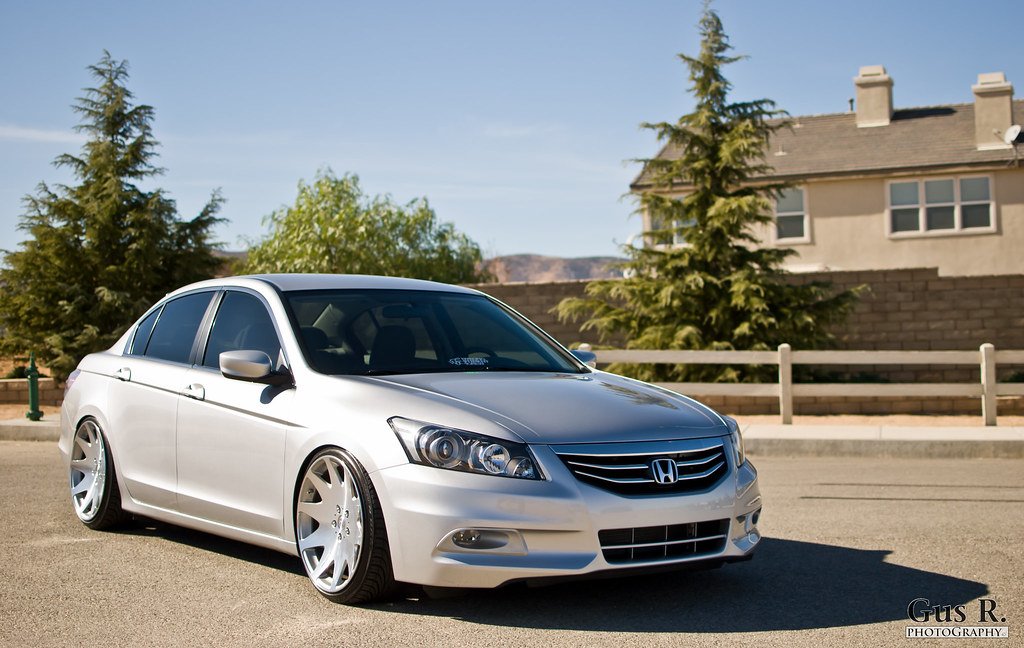
Honda Accord 7th Gen Model Specs and Highlights: A Deep Dive into Honda's Mid-Size Masterpiece
For over four decades, the Honda Accord has stood as a benchmark for reliability, efficiency, and smart engineering in the mid-size sedan segment. But if you’re looking back at a true sweet spot in its history, one that balanced newfound sophistication with Honda's signature driving dynamics, the Honda Accord 7th Gen Model Overview & Specifications reveals a car that truly hit its stride. Produced from 2002 to 2007 for the North American market, this generation wasn't just a popular choice; it was a global player, reaching drivers from Latin America to Australia, and even serving as Honda's entry vehicle into the Korean market.
Whether you're a long-time fan, a prospective buyer, or simply curious about what made this era of Accord so beloved, let's explore the details that cemented its legendary status.
At a Glance: The 7th Generation Accord in a Nutshell
- Production Years (North America): 2002 (for 2003 model year) – 2007
- Body Styles: Sedan and Coupe
- Engine Options:
- 4-Cylinder: New K-series (2.4L, 160-166 hp)
- V6: J-series (3.0L, 240-244 hp)
- Hybrid: 3.0L V6 with Integrated Motor Assist (253-255 hp)
- Transmissions: 5-speed manual, 5-speed automatic, 6-speed manual (V6 Coupe, V6 Sedan in '06+)
- Key Innovations: Direct ignition, Variable Cylinder Management (VCM) on Hybrid, GPS Navigation, XM Satellite Radio, Drive-By-Wire throttle (later 4-cyl models).
- Significant Refresh: Mid-cycle update for 2006-2007 model years ("7.5 gen") with exterior, interior, and safety enhancements.
- Safety Highlights: Standard side curtain and front seat side impact airbags (2005+), Vehicle Stability Assist (VSA) on V6 models (2006+).
The Seventh Generation: A New Chapter for Honda's Mid-Size King
When the 2003 Honda Accord rolled off the production line at Marysville, Ohio, on September 26, 2002, it marked a significant evolution. Honda aimed to elevate the Accord beyond its reputation as a mere sensible commuter car, pushing it further into the premium mid-size segment. The result was a larger vehicle than its predecessor, boasting more refined aesthetics and a notably upgraded interior. Chrome accents and higher-grade materials became standard, signaling a move towards a more sophisticated driving experience.
This generation of Accord truly became a global ambassador for the brand. While primarily a North American offering, the sedan found its way to diverse markets, from the vibrant streets of Latin America and the Middle East to the expansive landscapes of Australia and New Zealand. It even shared a platform relationship with the Japanese-market Honda Inspire from 2003, showcasing Honda's strategic global platform sharing. If you're keen to dive deeper into this specific lineage, you can Explore the 7th Gen Accord with more detailed resources.
Under the Hood: Power and Efficiency That Endured
One of the 7th Gen Accord’s biggest triumphs lay in its powertrain offerings. Honda introduced a new generation of engines that not only boosted performance but also significantly improved fuel economy and reliability—critical factors for any discerning buyer.
The Four-Cylinder Workhorse: K-Series Dominance
For the 4-cylinder models (typically LX and EX trims), Honda introduced the innovative K-series engine. This 2.4-liter, DOHC i-VTEC powerplant was a revelation, featuring a direct ignition coil-on-plug system that enhanced both horsepower and fuel efficiency. Initially rated at 160 horsepower, these engines saw a slight bump to 166 hp for the 2006-2007 models, largely thanks to airflow enhancements.
A notable change was the recommended engine oil viscosity, moving to 5W-20, which further contributed to its impressive fuel economy. EPA ratings (re-evaluated in 2008) showed 23 mpg city/31 mpg highway for these models, a noticeable improvement over previous generations. Transmission options included a smooth 5-speed manual or a newly developed 5-speed automatic with overdrive, offering a refined driving experience. Furthermore, specific 4-cylinder automatic models were among the first production cars to meet California's stringent Super Ultra Low Emissions Vehicle (SULEV) standards, highlighting Honda's commitment to environmental responsibility. Later models (2006+) also adopted Drive-By-Wire throttle control, providing more precise engine management.
The Potent V6 Options: J-Series Refinement
For those craving more power, the 7th Gen Accord offered the venerable J-series V6 engine. Initially a 3.0-liter unit, it received a significant upgrade, boosting horsepower by 40 hp to a robust 240 hp, largely due to revised intake and exhaust systems. For the 2006-2007 refresh, the V6 saw another minor power bump to 244 bhp (J30A5), a rating adjusted per the new SAE J1349 (Rev 8/04) net calculations standard.
Most V6 models came paired with the new 5-speed automatic transmission with overdrive, a smooth and responsive unit perfectly suited for daily driving. However, for enthusiasts, Honda offered a rare and sought-after 6-speed manual transmission, initially exclusive to the V6 coupe. In a welcome move for 2006, this 6-speed manual option also became available in the V6 sedan, adding a layer of sportiness to the family hauler. Fuel economy for the V6 automatic models was respectable, with EPA ratings of 21 mpg city/30 mpg highway.
Refinement Inside and Out: Features and Trim Levels
The 7th Generation Accord represented a significant leap in terms of features and interior quality. Honda's goal was to make the Accord feel less like an economy car and more like a junior luxury vehicle.
Early trim levels included the basic DX, the popular LX, and the well-appointed EX, with V6 versions designated LX-V6 and EX-V6. Inside, chrome interior accents and higher-grade materials across the lineup immediately conveyed a sense of upscale quality.
Technology began to take a more prominent role:
- 2003: Honda's GPS-assisted Navigation system made its debut as an option, a cutting-edge feature for the time, integrated seamlessly into the dashboard.
- 2004: XM Satellite Radio became an available option, offering a broader range of entertainment choices.
- 2005: Safety saw a significant upgrade, with side curtain and front seat side impact airbags becoming standard across all models, bringing the total airbag count to six. This same year also saw minor exterior tweaks, including revised all-red taillights for the sedan, a touch more grille chrome, and new wheel designs.
The trim lineup evolved slightly over the years. By 2006, the base DX trim was replaced by the "VP" (Value Package), which wisely included standard air conditioning, keyless entry, power locks, and cruise control – essentials that many buyers had come to expect.
The Mid-Cycle Refresh (2006-2007): Sharper Looks, Smarter Tech
The 2006 model year heralded a significant mid-generational refresh, often affectionately dubbed the "7.5 generation" by enthusiasts. This update brought a host of improvements, solidifying the Accord's position as a segment leader.
Exterior Enhancements:
- A new, more aggressive front grille gave the Accord a fresh face.
- Rear styling was updated, featuring distinctive triangular LED taillights and integrated Daytime Running Lights (DRLs).
- Heated side mirrors became standard on US EX models, a practical convenience.
- V6 models received larger, more substantial 17-inch wheels as standard, improving both aesthetics and road presence.
Interior Refinements: - The cabin received a tasteful redesign, including a new steering wheel, revised gauges, and a refreshed shift knob, all contributing to a more modern feel.
- The optional GPS Navigation system was updated to its 4th generation, offering improved functionality and mapping.
- A revised maintenance minder system was added, helping owners stay on top of scheduled service.
Safety and Driving Dynamics: - Crucially, Honda introduced Vehicle Stability Assist (VSA), traction control, and Brake Assist as standard features on V6 models, significantly enhancing active safety and driver confidence. These systems were a major step forward, helping drivers maintain control in challenging conditions.
Beyond the Standard: The Accord Hybrid and the Enthusiast Coupe
While the standard sedan and coupe were excellent, Honda also offered unique variants catering to specific segments of the market: the performance-oriented coupe and the innovative, albeit short-lived, Accord Hybrid.
The Accord Hybrid: Performance Meets Efficiency
Introduced for the 2005 model year, the Accord Hybrid was Honda's third hybrid model and an ambitious experiment. Unlike many "econobox" hybrids of the era, the Accord Hybrid was positioned as a performance-oriented vehicle that also delivered impressive fuel economy. It shared the 3.0-liter V6 motor but, thanks to its Integrated Motor Assist (IMA) system and Variable Cylinder Management (VCM), was boosted to 255 hp and 232 lb-ft of torque. This made it quicker than the regular V6 sedan, capable of a 0-60 mph sprint in a brisk 6.5 seconds.
Initial EPA gas mileage ratings were an impressive 29 City/37 HWY. For the 2006-2007 refresh, the Hybrid received similar exterior and interior updates as the regular Accord, though its engine power was re-rated slightly to 253 bhp, and it gained a larger battery. Its fuel economy ratings were also re-evaluated to 28 mpg city/35 mpg highway due to weight class changes. It was rated an Advanced Technology Partial Zero Emissions Vehicle (AT-PZEV), showcasing its environmental credentials. Notably, 2006+ Hybrids can be identified by distinctive amber rear turn signals.
Despite its innovative technology and strong performance, the Accord Hybrid, produced exclusively in Sayama, Japan, was priced about US$3,000 higher than the EX V6 model and struggled with market adoption. Honda ultimately discontinued it after the 2007 model year, though the Accord Hybrid would later make a successful return for the 2014 model year with a new dual-motor system.
The Accord Coupe: A Sportier Spirit
For buyers seeking a more dynamic driving experience and a sleeker profile, the Accord Coupe was the answer. From its inception, the coupe differentiated itself with a sportier suspension tuning. The ultimate enthusiast's choice was the V6 Coupe equipped with the rare 6-speed manual transmission, offering a truly engaging drive.
For those who wanted to push the envelope further, Honda offered a Factory Performance Package as a dealer-installed option for 2003 V6 Coupe LX and EX models. Based on a 2002 SEMA show concept, this package included significant upgrades like suspension enhancements, aerodynamic body kits, 17-inch wheels, and performance tires, transforming the coupe into a more aggressive, track-ready machine straight from the dealership.
Living with a 7th Gen Accord Today: What to Know
If you're considering a 7th Gen Accord today, you're looking at a car renowned for its longevity and low cost of ownership. However, like any vehicle of its age, there are specific points to consider.
Known Recalls:
- Takata Airbag Recall: Many Hondas, including the 7th Gen Accord (Recall 14v-351, June 19, 2014), were involved in the widespread Takata airbag recall. It's crucial to check if any potential vehicle has had this recall addressed.
- Automatic Transmission Issues: A recall (11v-395, August 4, 2011) affected an estimated 1.5 million Accords and other Hondas with automatic transmissions, primarily related to potential transmission fluid leaks or overheating.
- V6 Engine Recalls: Specifically for V6 models, a recall (October 1, 2012) affected over 600,000 U.S. and Canadian Accords (2003-2007 MY) for various V6 engine-related concerns.
While these recalls are serious, they are also well-documented, and most vehicles would have had the necessary repairs performed. Always check a vehicle's VIN for open recalls before purchasing.
Common Wear Items & Maintenance: - VCM Operation (Hybrid): On Hybrid models, ensure the Variable Cylinder Management system operates smoothly. Any unusual noises or excessive oil consumption might indicate VCM-related issues.
- Power Steering Pump: Some 7th Gen Accords, particularly V6 models, can develop leaks or noises from the power steering pump.
- Control Arm Bushings: Front lower control arm bushings can wear out, leading to clunking noises or loose steering feel.
- Catalytic Converter: Like many older vehicles, the catalytic converter can fail over time, especially if misfires have occurred, leading to a check engine light.
- Rust: Depending on the climate and exposure to road salt, examine wheel arches, rocker panels, and the undercarriage for rust, particularly on older models.
These are typical concerns for vehicles of this vintage and don't necessarily indicate a poorly designed car, but rather highlight areas to inspect during a pre-purchase inspection.
Is the 7th Gen Accord Right for You? Key Considerations
Choosing a used 7th Gen Accord means weighing its enduring strengths against the realities of an older vehicle.
- Reliability: For many, the 7th Gen Accord represents peak Honda reliability, particularly with the 4-cylinder K-series engine. With proper maintenance, these cars can easily reach 200,000+ miles.
- Fuel Efficiency: Both the 4-cylinder and V6 models offer competitive fuel economy for their era, making them economical choices even today. The Hybrid, when functioning correctly, is particularly efficient.
- Driving Dynamics: These Accords offer a balanced ride—comfortable enough for long commutes but engaging enough for winding roads. The V6 coupe with the 6-speed manual is particularly rewarding for drivers.
- Safety Features: With standard side airbags from 2005 and VSA on later V6 models, the 7th Gen offers a reasonable level of passive and active safety for its time.
- Affordability: Used 7th Gen Accords are generally quite affordable, offering excellent value for money. Parts are plentiful, and mechanics are familiar with them.
Before committing, prioritize a thorough pre-purchase inspection by a trusted mechanic. Look for clean maintenance records, as consistent servicing is key to the Accord's famed longevity. Pay particular attention to the condition of the transmission, especially on automatic V6 models, and listen for any unusual engine noises.
The Enduring Legacy of the 7th Gen Accord
The 7th Generation Honda Accord wasn't just another car in a long line of successful models; it was a significant evolution that pushed the boundaries of what a mid-size sedan could be. It blended sophisticated design with powerful yet efficient engines, advanced safety features, and Honda's unwavering commitment to reliability. For many, it represented the pinnacle of the Accord's journey as a practical, engaging, and premium-feeling vehicle. Its legacy continues to thrive on roads today, a testament to its exceptional engineering and timeless appeal, proving that true quality never goes out of style.